


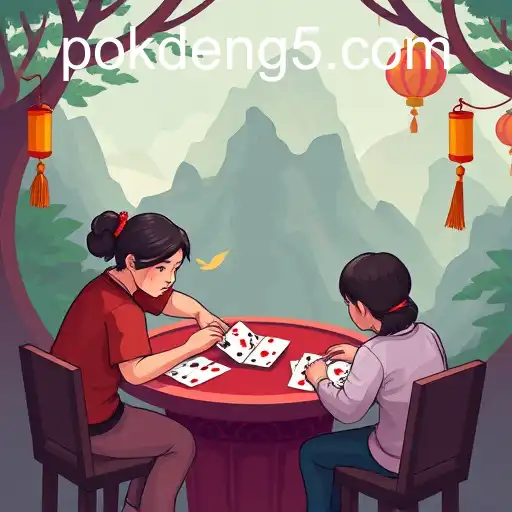
Discover how the traditional Thai card game Pok Deng is gaining popularity on English gaming websites, combining cultural heritage with digital innovation in a global context.
In the world of online gaming, 2025 is shaping up to be a year where traditional card games make their strongest comeback, spearheaded by the rising popularity of 'Pok Deng' on English game websites. Pok Deng, a traditional Thai card game known for its simple rules and high excitement level, is now capturing the attention of a global gaming audience.
The game is winning hearts for its unique blend of strategy and luck, allowing players to engage with the game due to its swift pace and minimal requirement for setup or extensive knowledge. As digital transformation continues to permeate all facets of entertainment, Pok Deng's entry into the English-speaking internet gaming market showcases the vast potential for cultural games to transcend regional boundaries.
Commentators note that the rise of Pok Deng aligns with current trends towards nostalgic and retro-style games. With technology enabling greater accessibility, traditional games like Pok Deng offer digital native gamers exposure to exotic yet engaging gameplay experiences. Some argue that this phenomenon might reflect a broader societal desire to connect with simpler forms of entertainment amid a rapidly digitizing world.
Reflecting on the dynamics of gaming in 2025, it is clear that players are increasingly drawn to experiences that mix cultural richness with digital convenience. The interest Pok Deng is generating on major English gaming websites underlines a shift in gamer preferences towards diversity and inclusivity in gaming content. Developers, recognizing these trends, are actively working on making the game prettier and easier to play online, while ensuring it stays true to its traditional roots.
Industry reports on the popularity of Pok Deng suggest a promising future for similar transitions of other traditional games to online formats, opening doors for cultural exchange and global reach on platforms previously dominated by more western classic games. As the community grows, so does the potential for enhanced features and multiplayer functionalities that continue to draw in both novices and seasoned card game enthusiasts.
In conclusion, Pok Deng's surge in popularity illustrates a fascinating blend of old and new, as the digital world continues to merge with the tangible cultural heritage of games from around the globe. As we move further into 2025 and beyond, it will be intriguing to see the extent to which this trend continues and the impacts it will have on both the gaming landscape and cultural appreciation worldwide.

